 Cardsplain
Rules refresher
The rules that come up in a draft of The Hobbit, with on how to draft and how to play at a beginner table. The demos play out rules that work the same in every set, and their boards leave out lands that only pay for spells.
On this page
About the set
The Hobbit (set code HOB) is a Magic set based on Tolkien's book, released in paper on 14 August 2026. The win rates in this app come from MTG Arena drafts from 11 August on. It's a small set (188 different cards in the packs, plus the 5 basic lands). Any two colors make a deck, and the designers built five of those ten decks around a theme, each with a gold uncommon made for it. You'll open Play Boosters: 14 cards each, with 7 commons , 3 uncommons , 1 rare or mythic , 1 wildcard (usually a common), 1 foil of any rarity, 1 land slot (a dual land or basic), plus a .
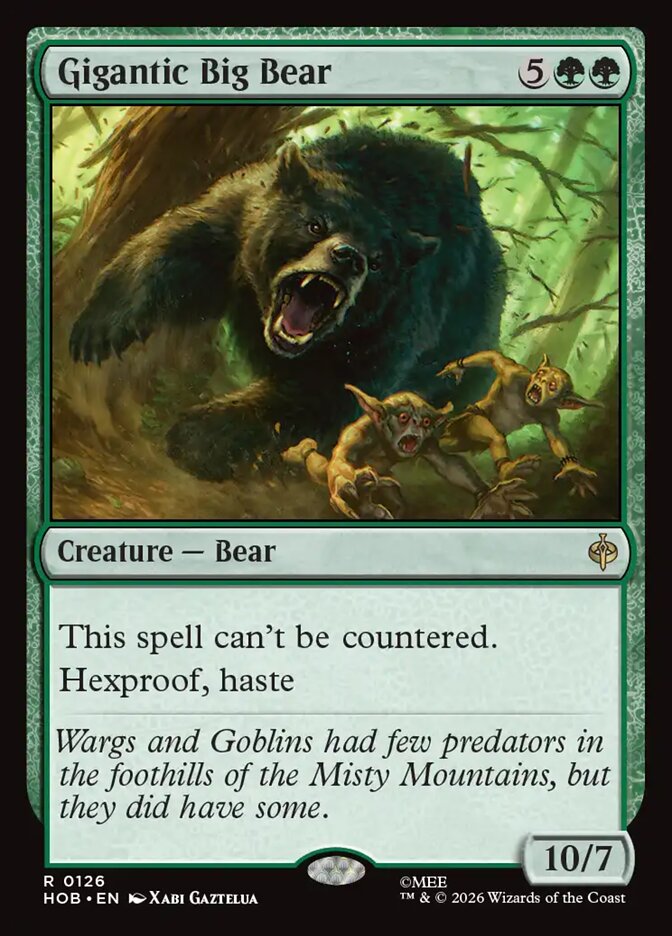
In a draft everyone gets 3 packs. Open pack 1, take one card and pass the rest to your left. Keep going until the pack is empty. Pack 2 passes right, pack 3 passes left again. Then build a 40-card deck from what you took, plus as many free basic lands as you want.
Magic in 5 minutes
- Goal: take your opponent from 20 life to 0. Usually best-of-3 games.
- Lands make mana. Play at most one land per turn. a land for one mana of its color.
- Mana cost is in the top right. means 2 mana of any color plus 1 red. The total, colored and generic together, is the card's . Card text like "mana value 3 or less" refers to that total.
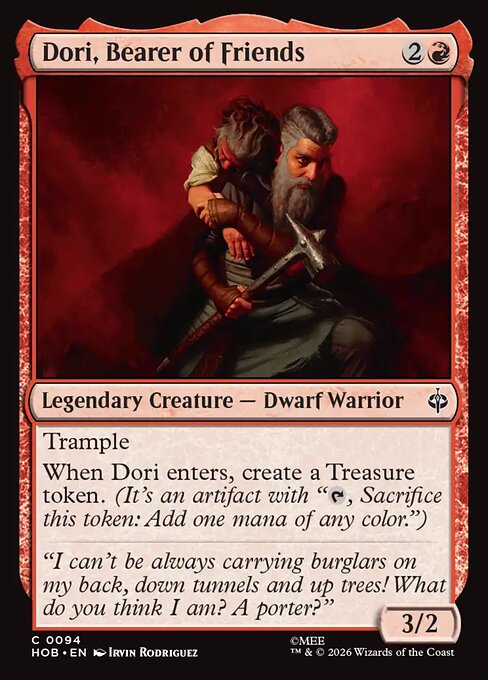
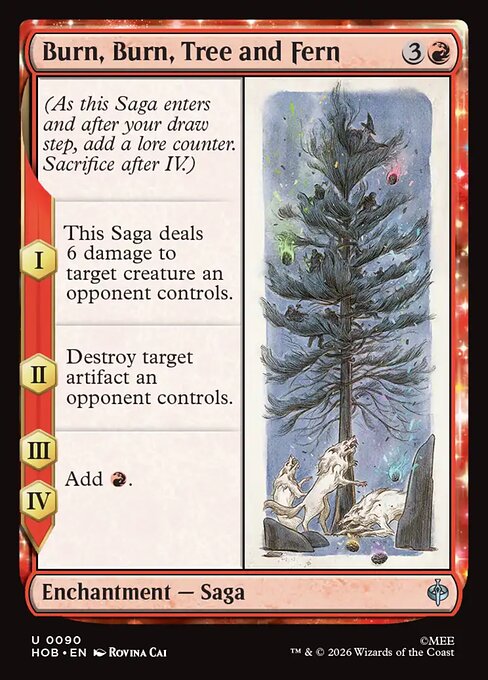
- Card types: creatures (attack/block, power/toughness bottom right), (cast any time, even on their turn), (only on your turn when nothing else is happening), , (, like ) and Sagas (chapter effects over several turns).
- Your turn: untap everything, draw a card (the player who goes first skips that first draw), play a land and cast things, attack, cast more things, end.
- : a creature can't attack (or use abilities) the turn it enters unless it has .
- Combat: you choose attackers (they tap). The opponent chooses blockers. Each creature deals damage equal to its power, and a creature when the damage it has taken that turn is at least its toughness. Unblocked attackers hit the player. Damage wears off at end of turn.
- : if you don't like your 7, shuffle and draw 7 again, then put 1 card on the bottom per mulligan. Keep hands with 2–5 lands.
Keywords in this set
The Glossary has the full rules for each one with example cards, and Set mechanics plays them out on a board.
- N: put N +1/+1 counters on your , creating a 0/0 one first if you have none. You only ever have one Army.
- : draw a card, then discard a card. Discarding a nonland card also makes a 1/1 Human Soldier.
- : a bonus that switches on once you have an (3 , cards or on the battlefield at once) and stays for the rest of the game.
- : a bonus that works while you control a creature with power 4 or more.
- : triggers whenever a land enters under your control.
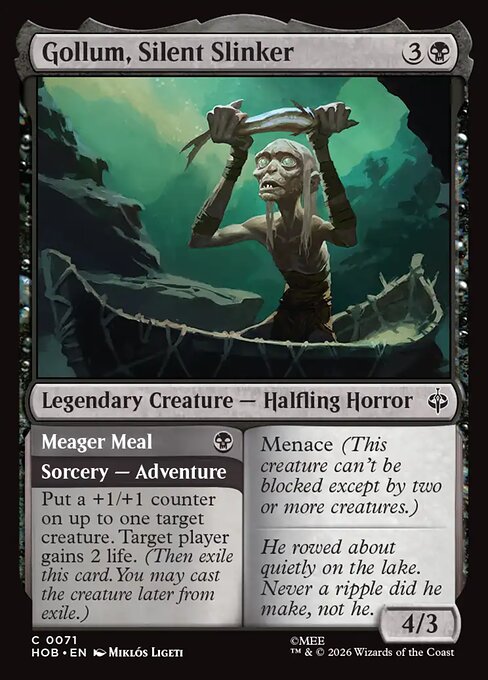
- : a creature card with a small spell attached, so one card gives you two spells.
- Hone counter: each on an gives the equipped creature +1/+0.
- Classics: (can be blocked only by creatures with flying or ), reach (can block fliers), (needs 2+ blockers), (extra damage goes through), (any damage kills), (damage it deals gains you that much life), (deals combat damage first), (doesn't to attack), (cast any time), N (an opponent's spell or ability that targets it is unless they pay N), ( for one mana of any color).
How to draft
- Picks 1–5: take the best card. (rares that win games alone) come first, then , then good creatures. Don't commit to colors yet.
- Picks 6–14: watch what keeps coming. If good black cards still show up at picks 6–9, the people to your right aren't taking black, so move into black.
- From pack 2: settle on two colors and take the best card in them. Only grab an card if it's a bomb.
- Fill the . Late in pack 3, take the and playable creatures your deck is missing over a slightly "better" card you won't play.
In this set, black is the deepest color, and in the 17Lands data Goblin Army (black-red) has the highest win rate of any two-color deck. Green and blue decks mostly win less than average. The exceptions are Ferocious Wolves (black-green) and Draw Two (white-blue). Crude Bent Blade and Pinecone Strike are the best commons. White's commons are weak, but its uncommons and rares are strong, and Celebrate the Mountain-king is the best uncommon in the set.
Building your 40-card deck
- Play 17 lands and 23 spells, in two colors. Split basics roughly by how many colored mana symbols (such as or ) each color has.
- Run 15–17 creatures, and make the rest and .
- : have something to do on turns 2, 3 and 4. Rough target: 5–6 creatures that cost 2 or less, four or five , three or four 4-drops, and 2–3 cards that cost 5 or more, with no more than 2 costing 6 or more.
- Cut cards that only work with things you don't have (such as "Elves you control" when you have 2 Elves).
At a beginner table
- Beginners take big flashy creatures and shiny rares, so and cheap creatures come round later than they should. Take removal whenever you see it, and pick up the cheap creatures late.
- Many new players build three- or four-color decks that can't cast their spells on time. A two-color deck with 17 lands beats most of them.
- Attack when the trades favor you, and don't block only because you can. Count their open mana. If a red player leaves 2 mana open, they may have Pinecone Strike (3 damage).
The stack
Spells and abilities wait on the stack until both players pass. The last one added resolves first. Play three short scenarios and decide when to respond.
Pick a scenario
Step 1. Spells and abilities go on the stack and wait there. Each time both players pass in a row, the top one resolves, so the last one added resolves first (last in, first out). It is your main phase, so you hold priority, the right to cast a spell. You have priority. Pick a scenario. Options: Removal answers your pump. A trigger joins the stack. The target disappears.
- 2/2
- Hidden card
- Hidden card
- Hidden card
Stack Empty
- 2/2
- Goblin Army token 2/2, 2 +1/+1 counters
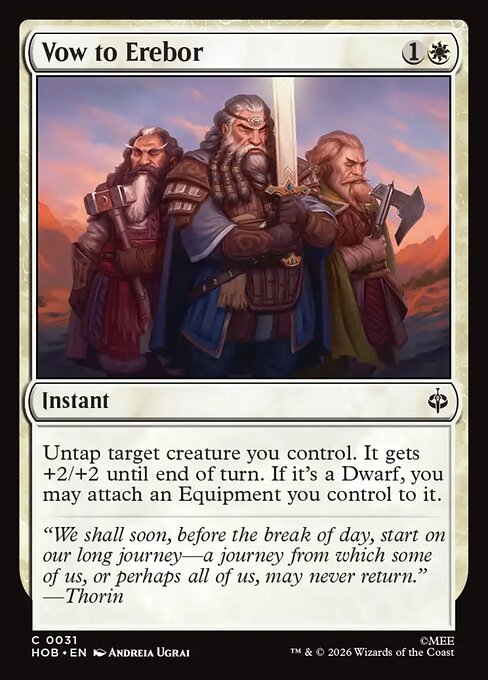
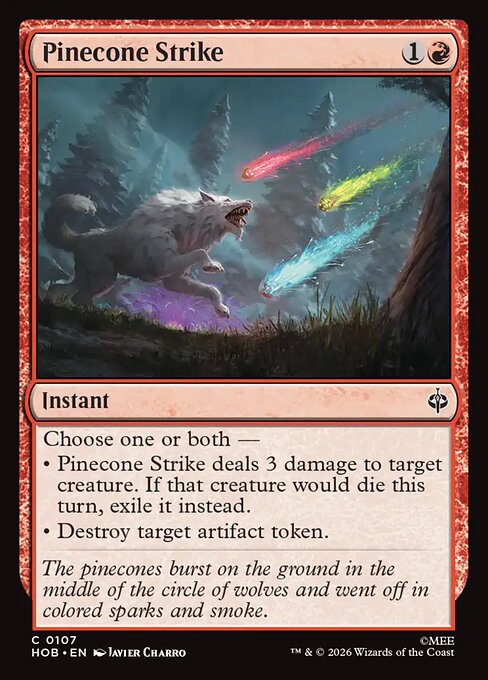
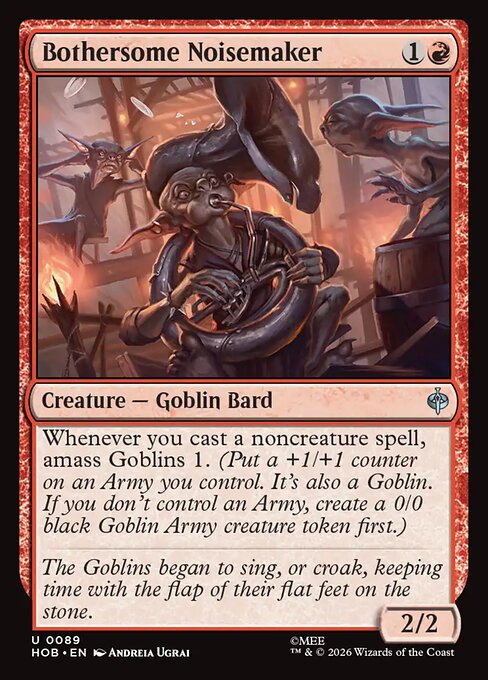
Priority
Only the player with priority can cast a spell. Both players must pass in a row before the top of the stack resolves, or before a step with an empty stack ends.
Step 1. Priority is the right to cast a spell or activate an ability, and one player holds it at a time. It's your opponent's turn, in their end step. They're the active player, so they get priority first. Your opponent has priority.
- 2/2
Stack Empty
- 4/5
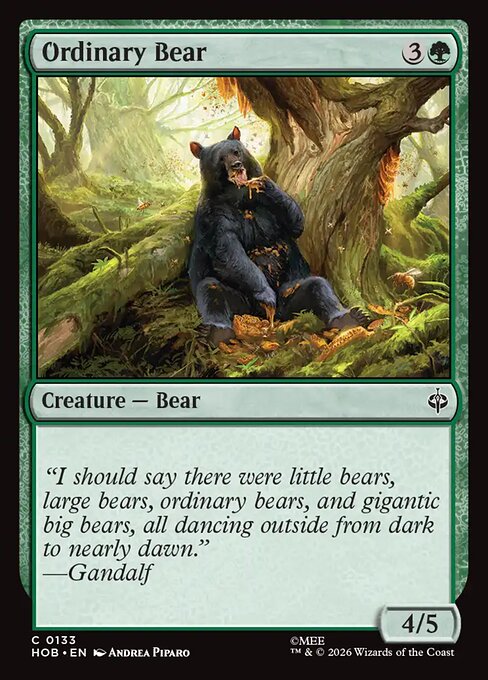
A turn, step by step
A turn runs through five phases, and some of them split into steps. What you may do depends on where you are. Play one turn and try casting a creature at the wrong moment.
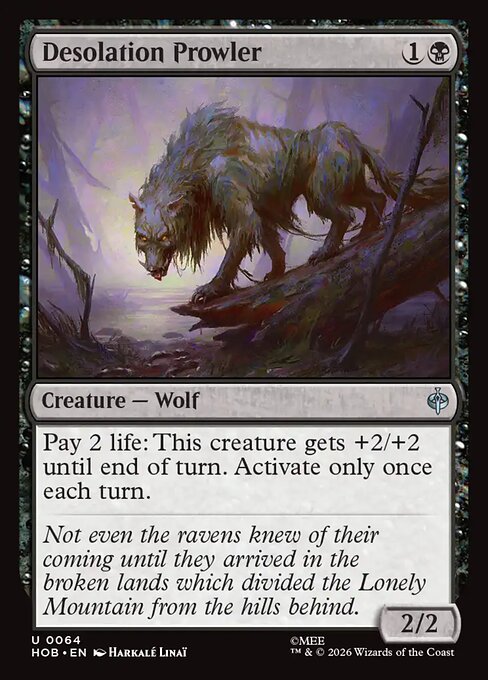
Step 1. Your turn began with the untap step: Desolation Prowler, tapped from attacking last turn, untapped. No one gets priority (the right to cast spells and activate abilities) in the untap step, so not even an instant can be cast there. Now it's your upkeep, the first step where players get priority, you first. You have priority.
- 1/3
Stack Empty
- 2/2
Attacking and blocking
Combat runs in steps: attackers are declared, then blockers, then all combat damage is dealt at once. Your opponent attacks you. Choose your blocks and see how each one turns out.
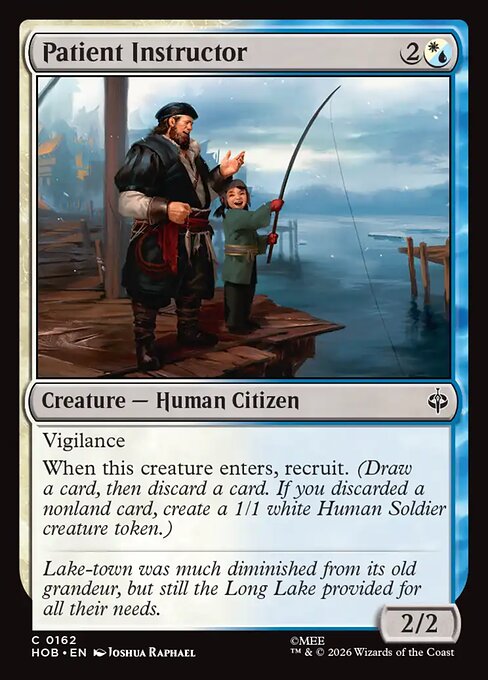
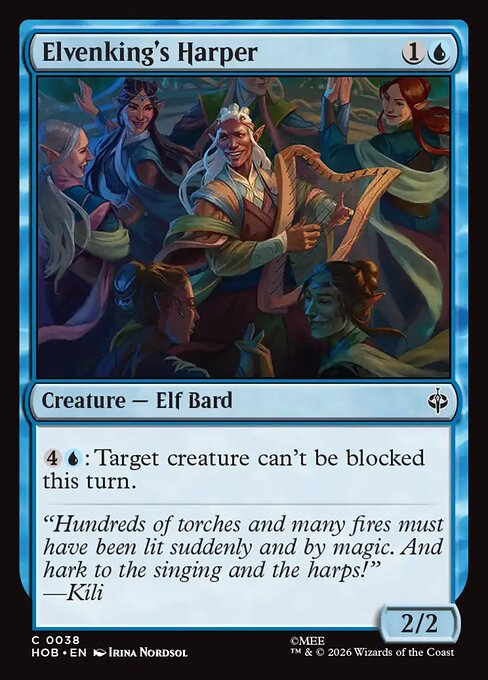
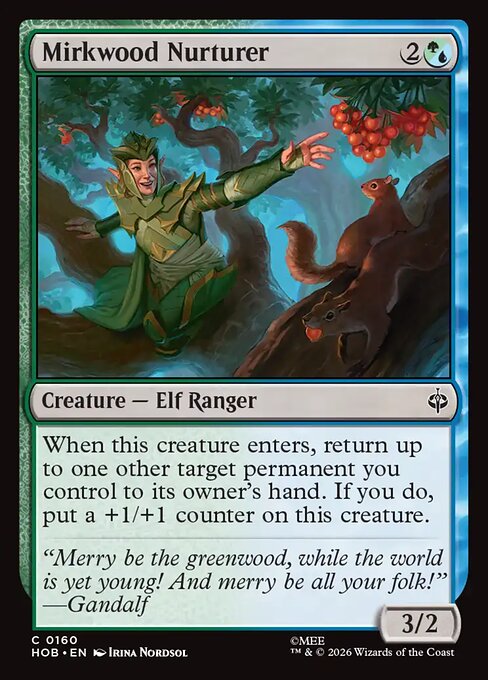
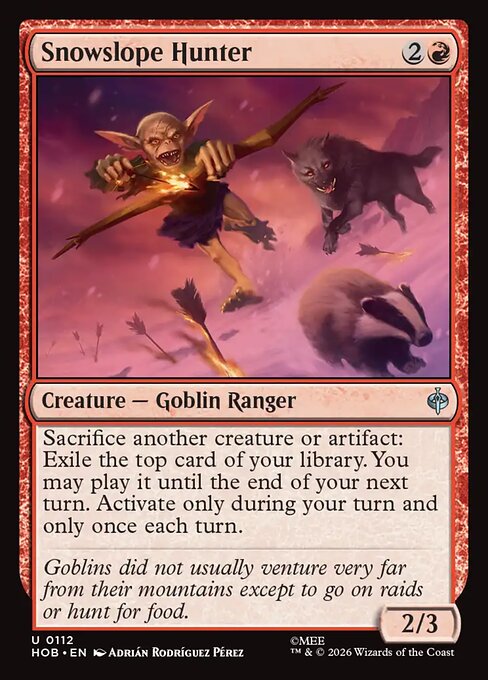
Step 1. It's your opponent's turn. They cast Elvenking's Harper this turn, so it has summoning sickness and can't attack. Their Ordinary Bear (4/5) and Patient Instructor (2/2) can. You have Mirkwood Nurturer (3/2) and Snowslope Hunter (2/3). Your opponent has priority.
- 4/5
- 2/2
- 2/2
Stack Empty
- 3/2
- 2/3
First strike
A creature with first strike deals its combat damage in an extra step, before creatures without it. If that first hit kills, the other creature never strikes back. Block with a first striker and see when it helps.
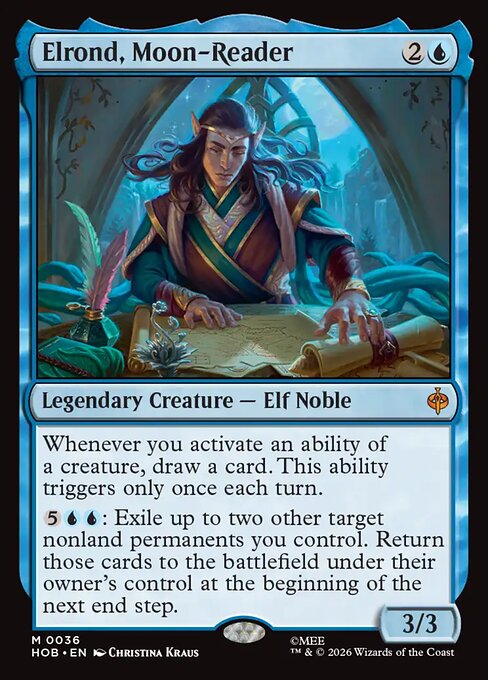
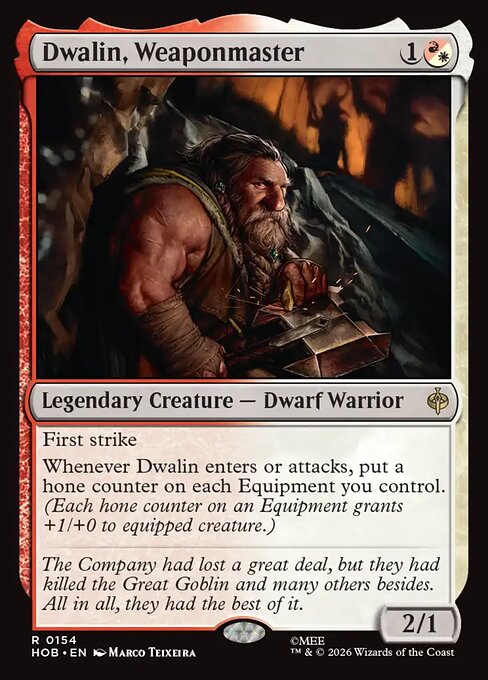
Step 1. Your opponent attacks with Elvenking's Harper (2/2) and Elrond, Moon-Reader (3/3). You control Dwalin, Weaponmaster (2/1) with first strike: in combat it deals its damage before creatures without first strike do. Your opponent has priority.
- attacking tapped 2/2
- attacking tapped 3/3
Stack Empty
- 2/1
Deathtouch and trample
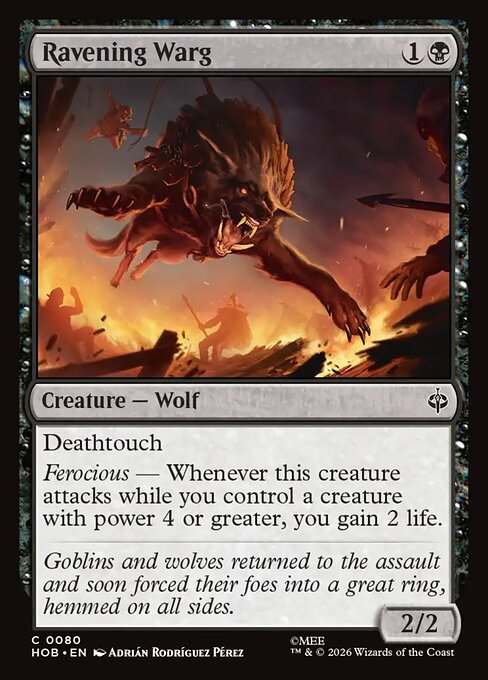
Trample lets an attacker send damage past its blockers once each has lethal damage. With deathtouch, 1 damage is lethal, so almost everything goes through. Give your deathtouch Warg trample and assign its damage.
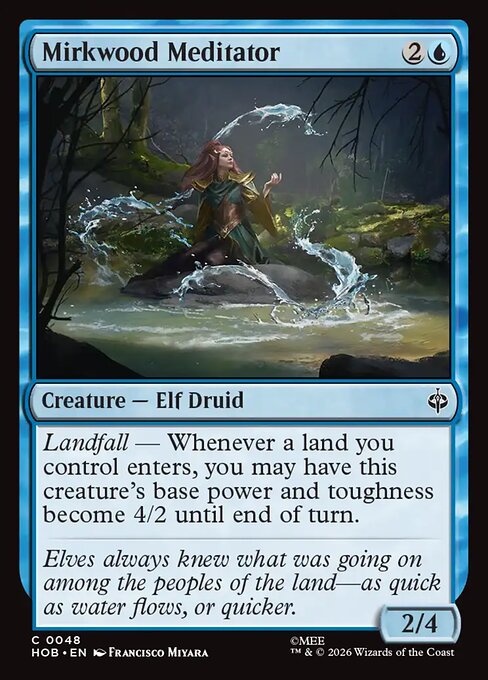
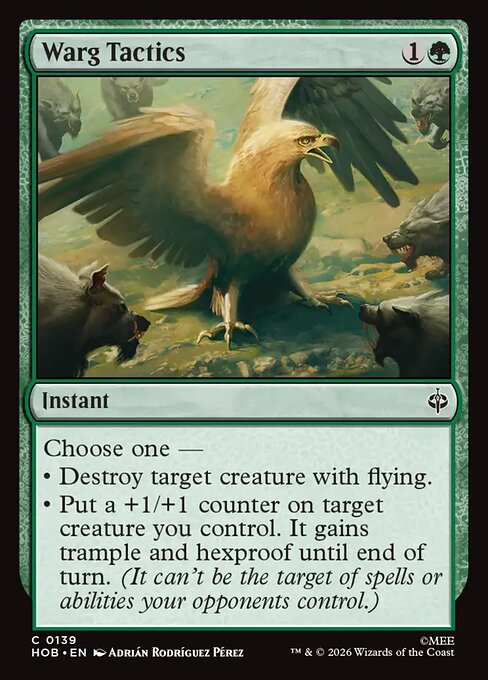
Step 1 of 7. You attack with Ravening Warg (2/2), which has deathtouch: any damage it deals to a creature destroys that creature. You hold Warg Tactics, an instant. Your opponent has Mirkwood Meditator (2/4) untapped. You have priority.
- 2/4
Stack Empty
- attacking tapped 2/2
Flicker: exile and return
To flicker a permanent is to exile it and return it to the battlefield. It comes back as a new object: its counters and Auras are gone, its enters abilities trigger again, and a spell aimed at it loses its target.
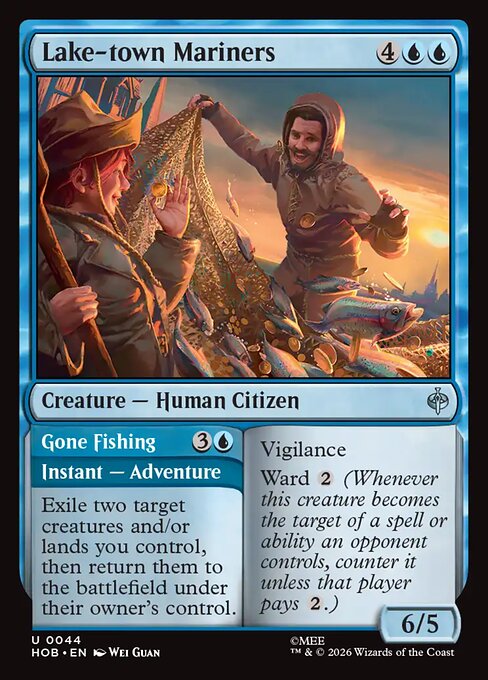
Respond with Gone Fishing?
Step 1. Your Duskwatch Hunter is a 6/4 flier: a 3/1 with a +1/+1 counter from its enters ability, wearing Eagle's Rescue (+2/+2 and flying). As combat begins, your opponent casts Bilbo's Deadly Slice at it: “Destroy target creature.” You have priority. Respond with Gone Fishing? Options: Cast Gone Fishing. Let it resolve.
- 3 lands, left off the board
Stack
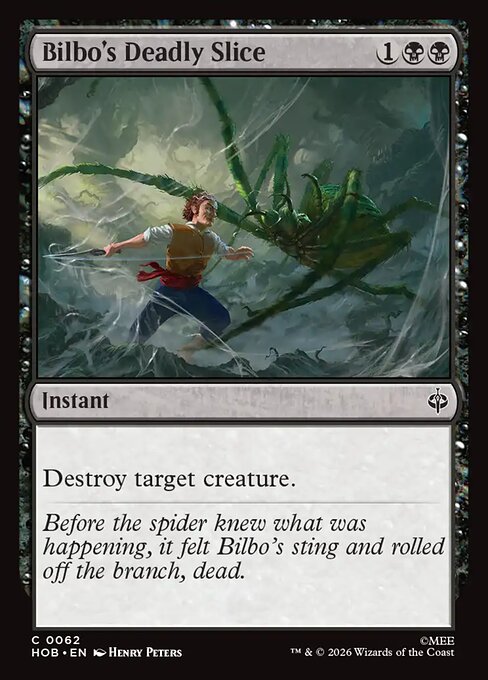
Opponent's spell
Destroy target creature.
Target: Duskwatch Hunter
- Opponent passes
- You: pass or respond
- +
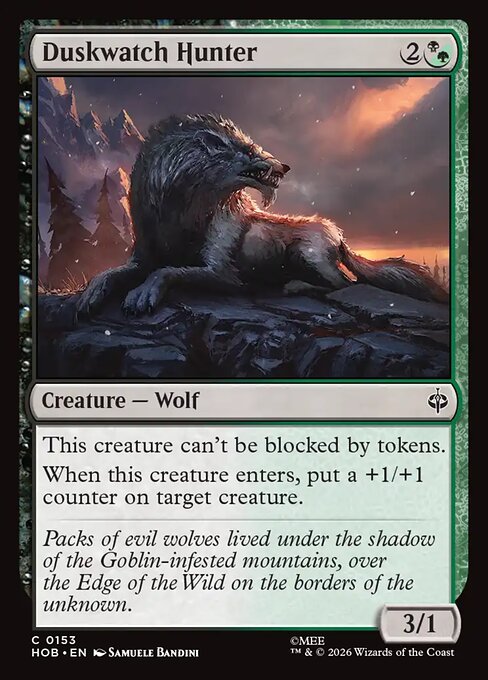
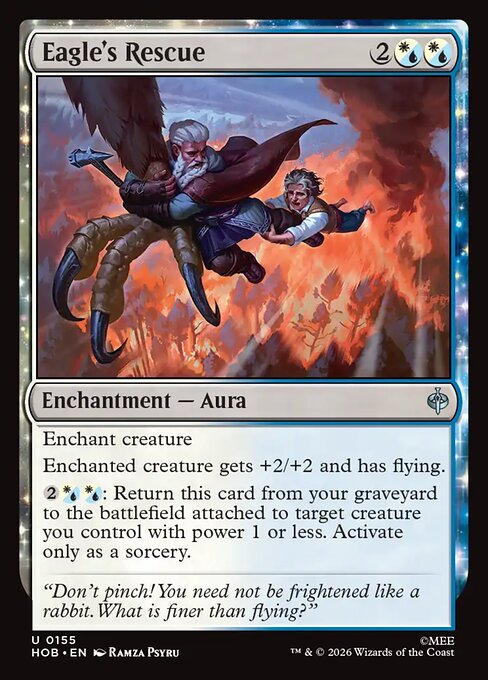 6/4, 1 +1/+1 counter, enchanted with Eagle's Rescue, targeted by Bilbo's Deadly Slice
Triggers at the same time
Abilities that trigger at the same time go on the stack together. The active player puts theirs on first, so the other player's resolve first, and each player chooses the order of their own.
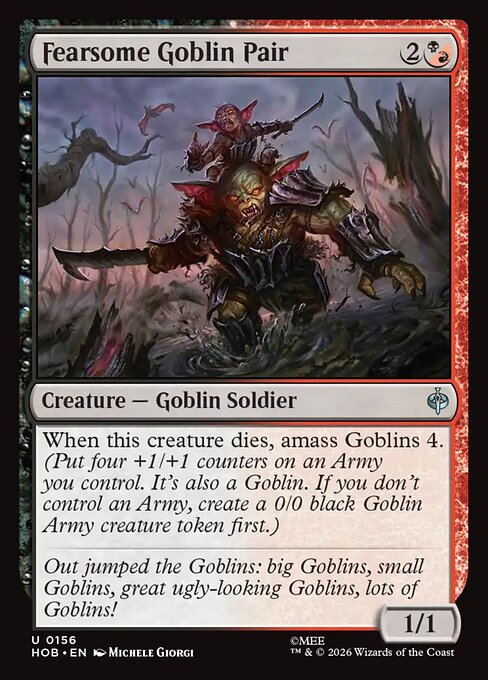
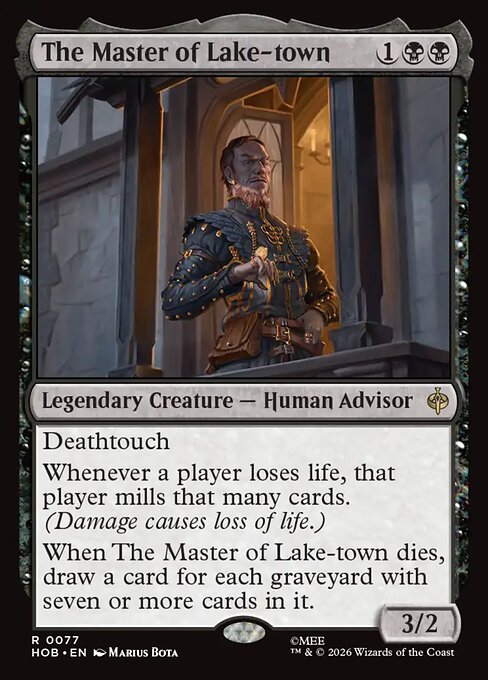
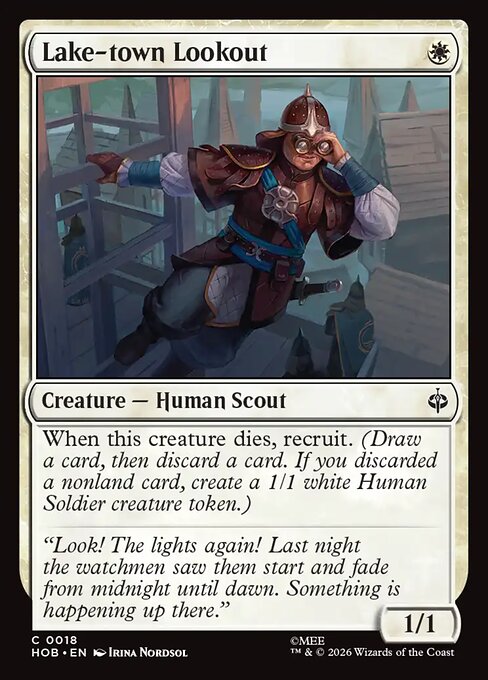
Step 1 of 7. You attack with The Master of Lake-town (3/2 deathtouch) and Lake-town Lookout (1/1). They block with Ravening Warg (2/2 deathtouch) and Fearsome Goblin Pair (1/1). Three of these creatures have a dies trigger. Your graveyard holds 4 cards, theirs 2. You have priority.
- blocking The Master of Lake-town 2/2
- blocking Lake-town Lookout 1/1
Stack Empty
- attacking blocked by Ravening Warg tapped 3/2
- attacking blocked by Fearsome Goblin Pair tapped 1/1
State-based actions
Some things happen by the rules alone, with no spell and no stack: a creature with lethal damage or 0 toughness goes to the graveyard, and a +1/+1 and a -1/-1 counter cancel. The game checks them all at once, every time a player would get priority.
Step 1. State-based actions are checks the game makes each time a player would get priority. On their turn their Ravening Warg (2/2 deathtouch) attacks, and you block with Ordinary Bear (5/6, one +1/+1 counter). You also have Elvenking's Harper, a 2/2 with a -1/-1 counter, so a 1/1. Your opponent has priority.
- attacking blocked by Ordinary Bear tapped 2/2
- Hidden card
Stack Empty
- blocking Ravening Warg 5/6, 1 +1/+1 counter
- 1/1, 1 -1/-1 counter
- 1/1
The legend rule
You can control only one legendary permanent of each name. When a second one arrives you choose which to keep, and the other goes to the graveyard. A creature put there this way dies, which sets off dies triggers.
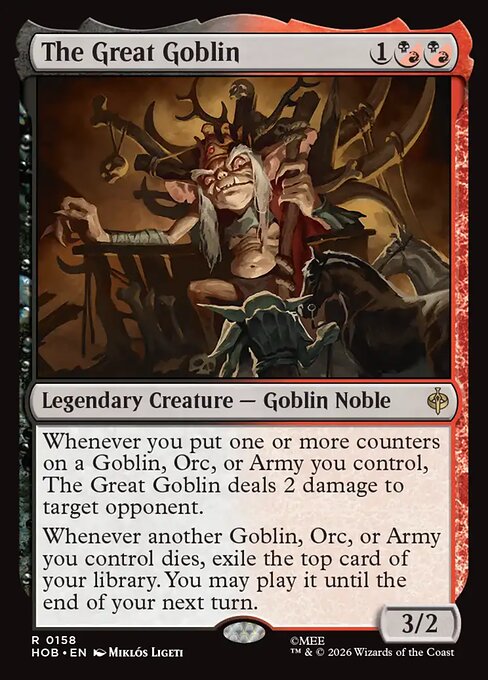
Step 1 of 5. You attacked with The Great Goblin (4/3, one +1/+1 counter) this turn, so it is tapped. You cast a second copy. Its second ability: “Whenever another Goblin, Orc, or Army you control dies, exile the top card of your library. You may play it until the end of your next turn.” You have priority.
- 4/2
Stack
Your spell
Whenever you put one or more counters on a Goblin, Orc, or Army you control, The Great Goblin deals 2 damage to target opponent. Whenever another Goblin, Orc, or Army you control dies, exile the top card of your library. You may play it until the end of your next turn.
- tapped 4/3, 1 +1/+1 counter
Counters reset when a permanent leaves
Counters live on a permanent only while it stays on the battlefield. Bounce it or flicker it and it comes back as a new object with none. Saving a creature that way can cost everything it has grown.
How do you answer Magnificent End?
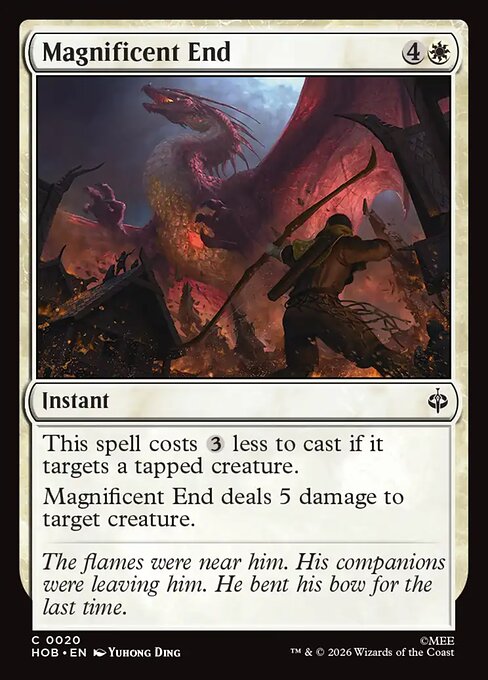
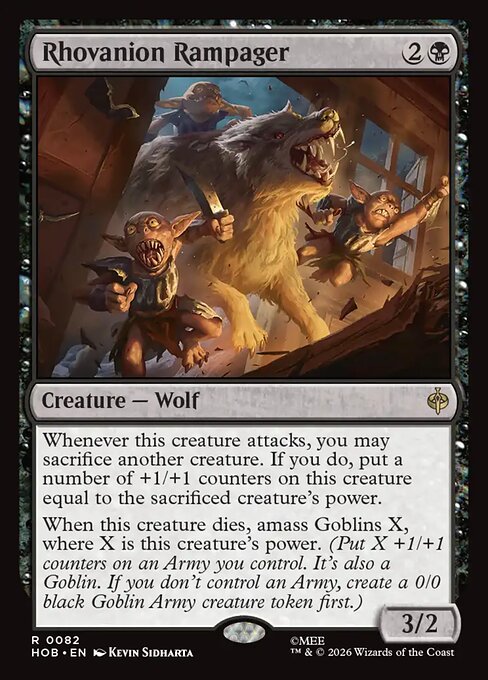
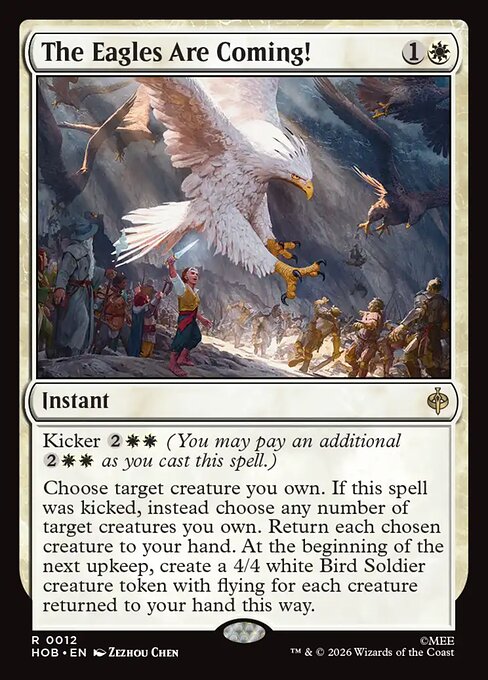
Step 1. Rhovanion Rampager is a 6/5 with three +1/+1 counters from earlier attacks. It's tapped, so their Magnificent End costs less: “Magnificent End deals 5 damage to target creature.” You hold The Eagles Are Coming! and Lake-town Mariners, a creature card whose Adventure is the instant Gone Fishing. You have priority. How do you answer Magnificent End? Options: Let it resolve. Bounce it with The Eagles Are Coming! Flicker it with Gone Fishing.
- 2 lands, left off the board
Stack
Opponent's spell
This spell costs less to cast if it targets a tapped creature. Magnificent End deals 5 damage to target creature.
Target: Rhovanion Rampager
- Opponent passes
- You: pass or respond
- tapped 6/5, 3 +1/+1 counters, targeted by Magnificent End
Copies: what they copy and what they leave
A copy takes only what is printed on the original, plus any changes the copy effect itself makes. Counters, pump effects, damage and tapped status stay behind.
Pump the Hobbits before they are copied?
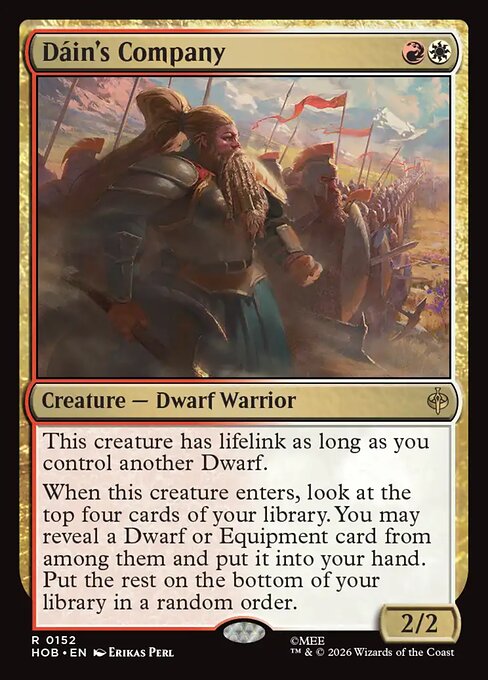
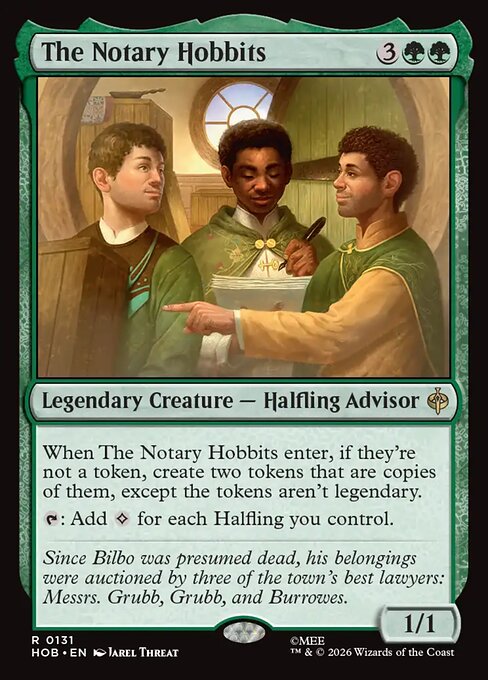
Step 1. You cast The Notary Hobbits (1/1) and they enter: “When The Notary Hobbits enter, if they're not a token, create two tokens that are copies of them, except the tokens aren't legendary.” The trigger is on the stack, and you hold Warg Tactics. You have priority. Pump the Hobbits before they are copied? Options: Cast Warg Tactics now. Let the copies come first.
- No permanents
Stack
Your triggered ability
When The Notary Hobbits enter, if they're not a token, create two tokens that are copies of them, except the tokens aren't legendary.
- 1/1