 Cardsplain
Crash course
Everything here is for drafting The Hobbit as a beginner, apart from the grades and win rates on the cards.
On this page
The 10-second checklist
- Look for a rare or mythic. Its set symbol is gold or orange instead of black or silver . Read it, and if it would win the game on its own unless they answer it, take it.
- Scan for words: destroy, , deals N damage to target creature, , −N/−N. Take the cheapest one in your colors.
- If there is no removal, take the best creature in your colors. A creature with or beats a plain one, and a cheap one beats an expensive one.
- If two cards look equal, take the one in your colors. If you have no colors yet, take the black one.
- If you still can't decide, take the cheaper card and move on.
Pick flow chart
You're holding a pack. Before you have colors (picks 1–5), every color counts as yours. Then ask, in order:
- Is there a rare or mythic that wins the game alone if unanswered? (gold or orange set symbol) Yes: take it, even (until mid pack 2).
- Is there removal? destroy, , N damage to target creature, , gives a creature -2/-2 Yes: take the removal, the cheapest one in your colors.
- Pack 3 and fewer than 12 creatures so far? Yes: take a creature, the best one in your colors.
- A good creature in your colors? fair size for its cost + an extra: , , , draws a card Yes: take it, preferring a cheap one or one that's hard to block.
- Anything playable in your colors? Yes: take the cheapest, ideally a creature that costs 2.
- Nothing? : take the card that would hurt you most in an opponent's deck.
Two cards tied? In your colors beats . With no colors yet, take the black one.
Read the chart as a list
You're holding a pack. Before you have colors (picks 1–5), every color counts as yours. Then ask, in order:
- Is there a rare or mythic that wins the game alone if unanswered? (gold or orange set symbol) Yes: take it, even (until mid pack 2).
- Is there removal? destroy, , N damage to target creature, , gives a creature -2/-2 Yes: take the removal, the cheapest one in your colors.
- Pack 3 and fewer than 12 creatures so far? Yes: take a creature, the best one in your colors.
- A good creature in your colors? fair size for its cost + an extra: , , , draws a card Yes: take it, preferring a cheap one or one that's hard to block.
- Anything playable in your colors? Yes: take the cheapest, ideally a creature that costs 2.
- Nothing? : take the card that would hurt you most in an opponent's deck.
Two cards tied? In your colors beats . With no colors yet, take the black one.
Rules of thumb for the rest of the draft
- Ignore basic lands. Skip two-color (gold) cards unless you're already in both colors.
- Count your creatures in pack 3. You want 15–17. If you have fewer than 12 by the middle of pack 3, take creatures over everything except .
- Get 5–6 creatures that cost 2 or less. Beginners tend to pass them, so you can pick them up late.
- Watch what . The pack you opened comes back to you after it goes round the table (with 8 players, that's pick 9). If good cards in one color came back, that color is open.
- Pack 2 passes the other way, so the colors flowing to you change for one pack. In pack 3 you're fed from the same side as pack 1 again, so pack 1's open color should be open again.
- Don't change colors after the middle of pack 2 unless your colors have given you almost nothing playable.
- Late in a pack with nothing for you, take the card that would hurt you most in someone else's deck (a "").
- Use your phone as a backup. If the table is fine with phones, the Lookup tab shows any card's grade in two taps.
The whole plan
- Aim for black. It's the deepest color, with lots of and good creatures. In the 17Lands data, Goblin Army (black-red) has the highest win rate of any two-color deck and Ferocious Wolves (black-green) the second highest.
- Picks 1–5: take the best card, using the pick order below. After that, move into the color that keeps coming late, and from pack 2 stay in two colors.
- Build 40 cards: 17 lands, about 16 creatures and about 7 other spells (removal first). Stay in two colors and don't .
Pick order
- : a rare or mythic such as a big , a card that makes a creature every turn, or one that pumps your whole team.
- : any card with the removal words from the checklist. Cheaper is better.
- Good creatures: a fair stat line for its cost (rough guide: 2 mana 2/2, 3 mana 3/3, 4 mana 4/4) plus something extra: flying, , , draws a card, makes a .
- Cheap creatures (2 mana or less).
- Last: (+2/+2 until end of turn), cards that only work with a creature type you don't have, and expensive cards that do nothing the turn you play them.
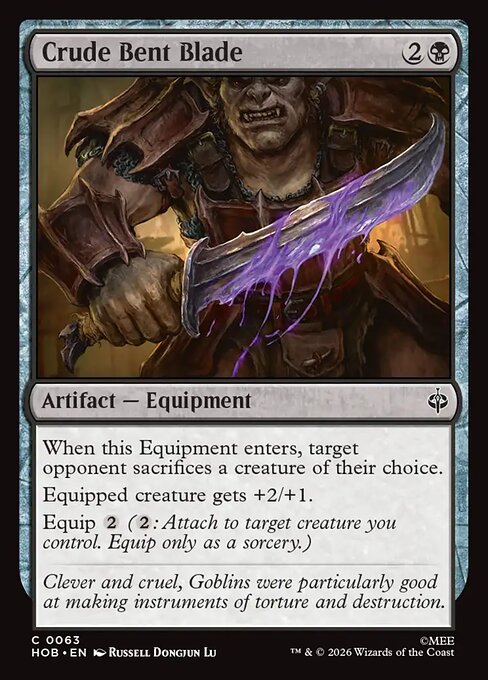
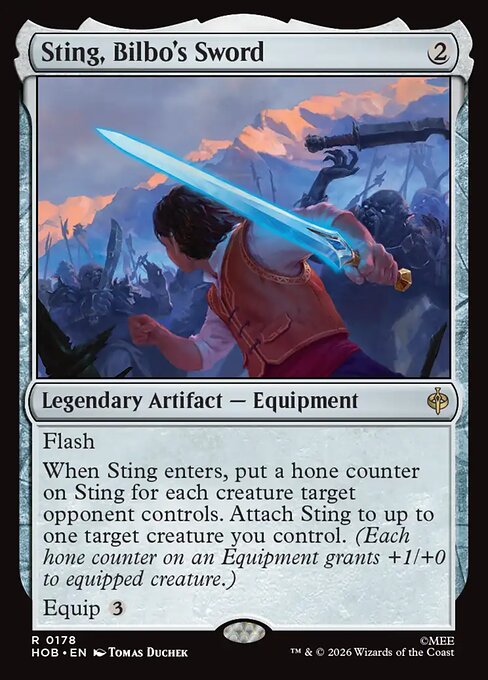
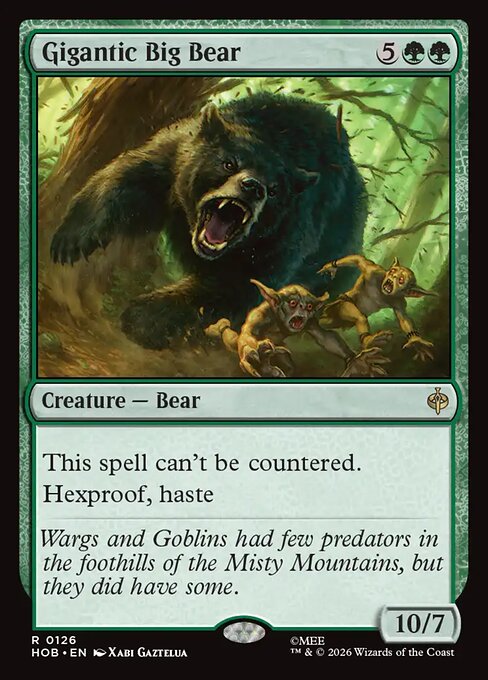
Avoid green "big dumb creature" decks in this set. Black's common Crude Bent Blade makes the opponent a creature of their choice, so a deck with one big creature at a time loses it to a 3-mana card. Draftsim's guide ranks green last of the five colors, and in the 17Lands data every green deck except Ferocious Wolves (black-green) wins less than average.
The 20 cards worth memorizing
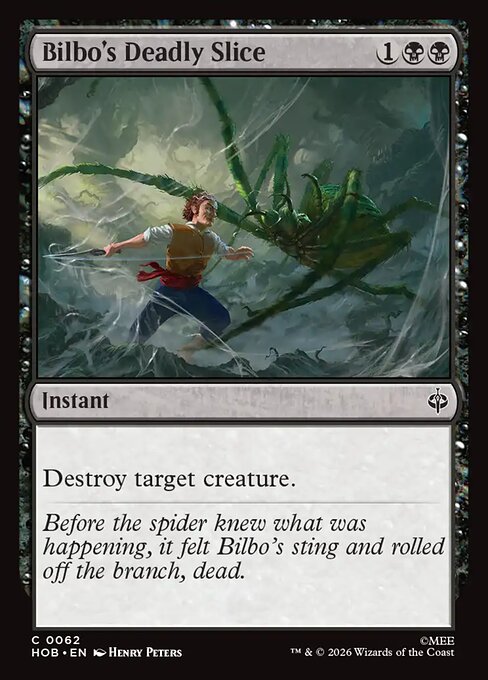
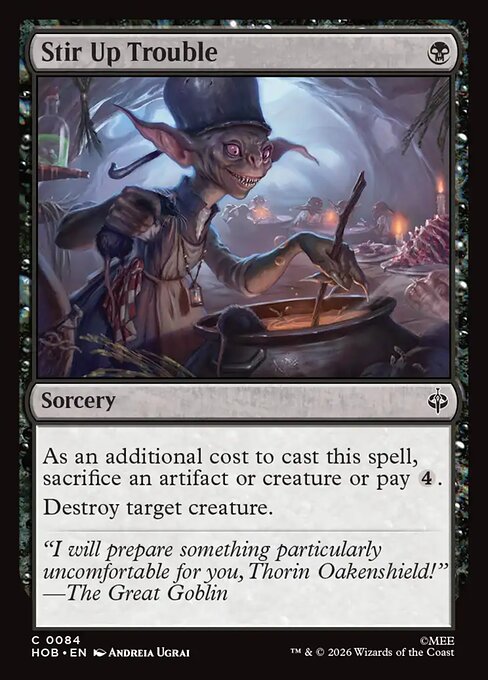
The best commons and uncommons by color. You'll see the commons most often, about 3 times each per 8-person draft. If you only have time for some, learn black and red first (the first 11). Read the rares when you open them. The traps below look strong but lose games, so skip them.
and win rates from . Each win rate is a .
Black
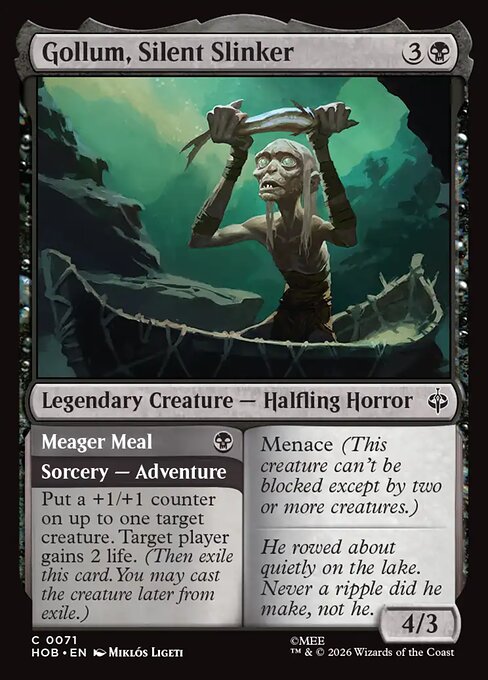
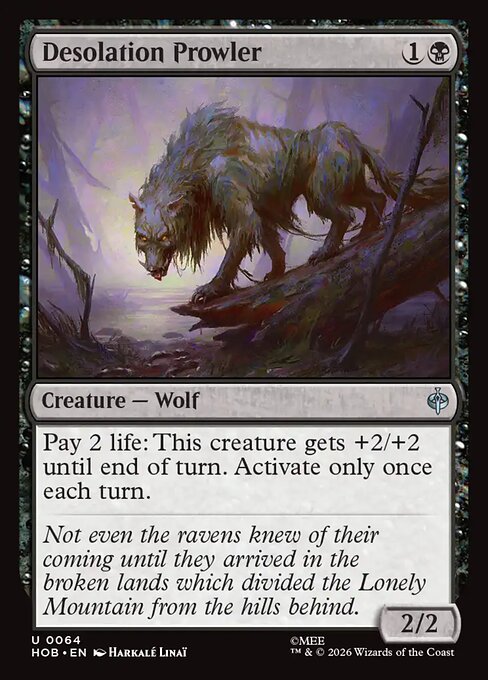
Red
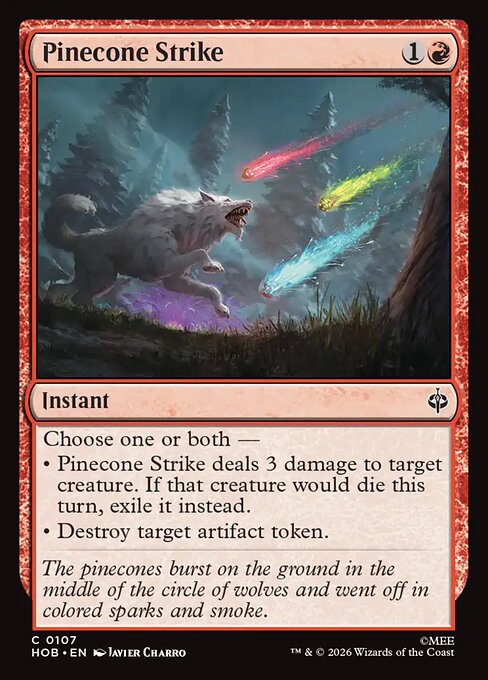
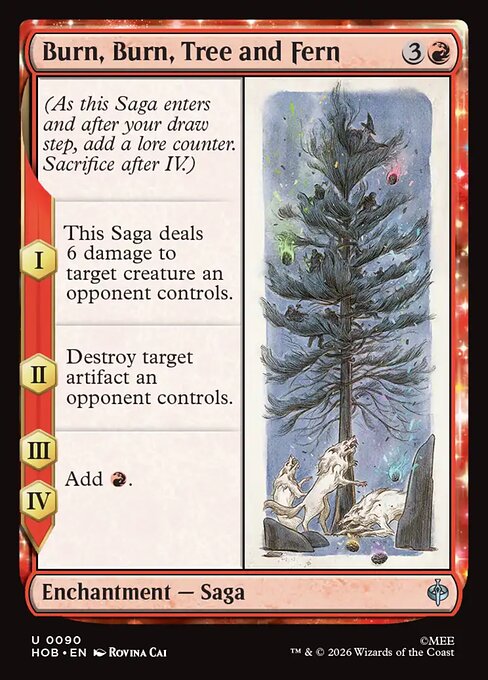
Black or red
White
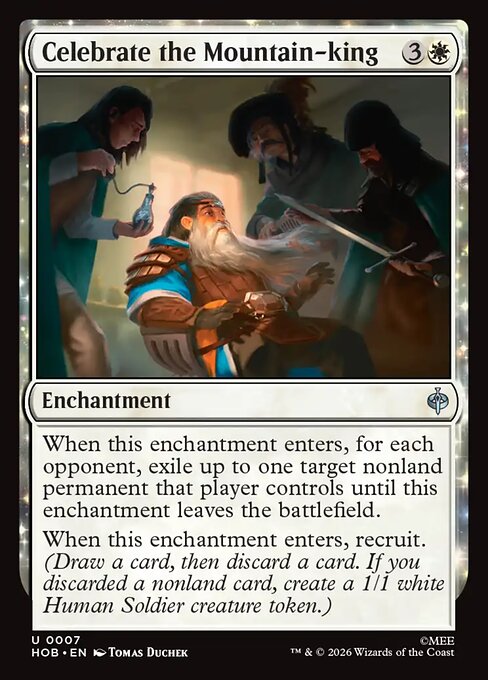
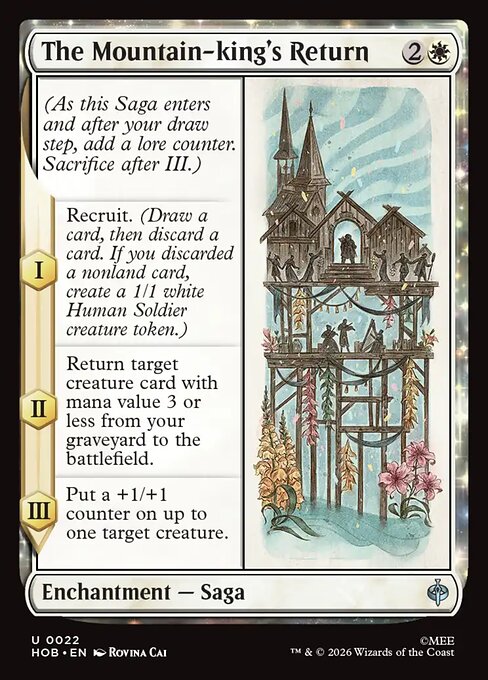
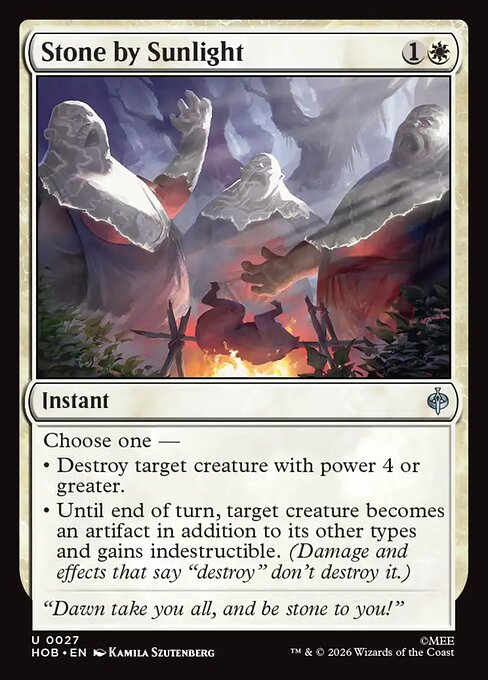
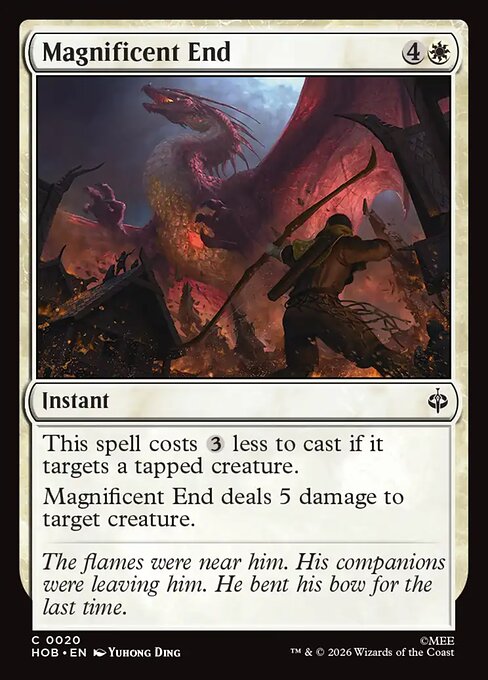
White or blue
Blue
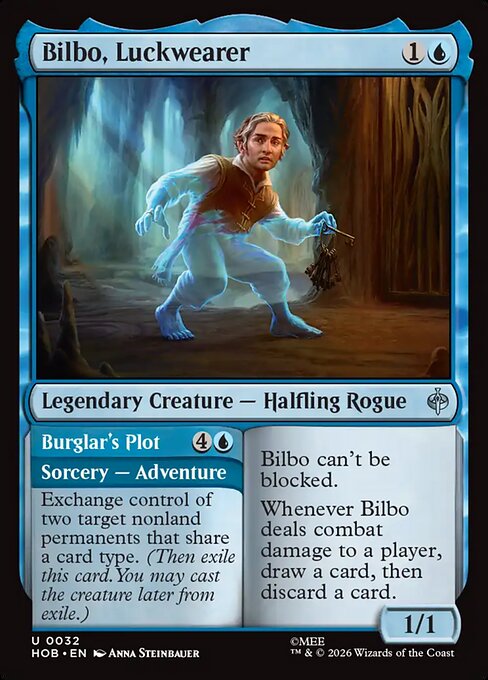
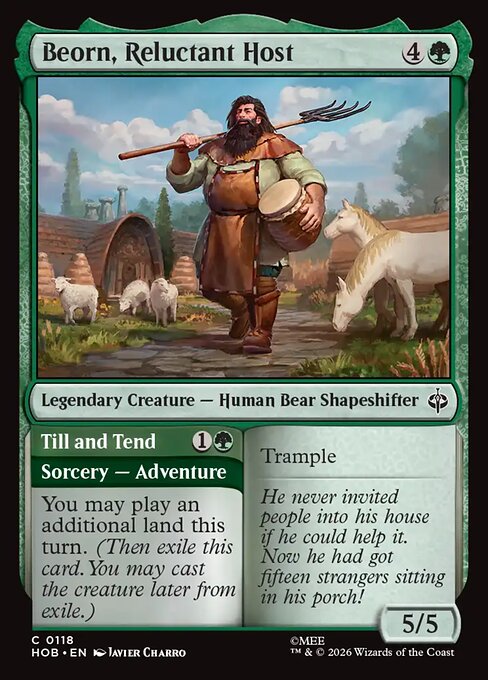
Green
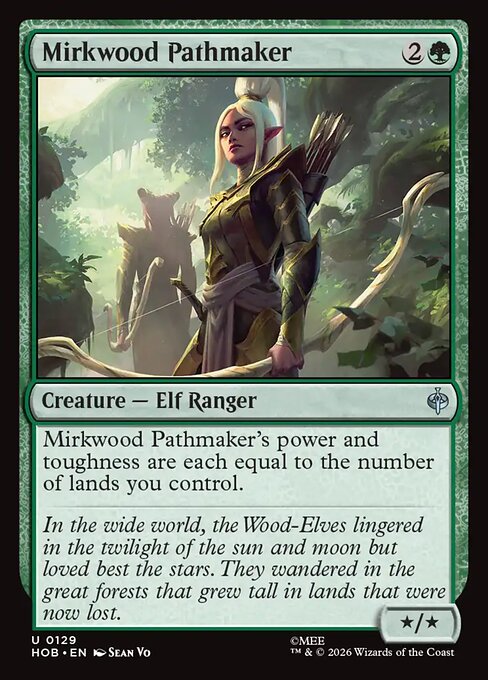
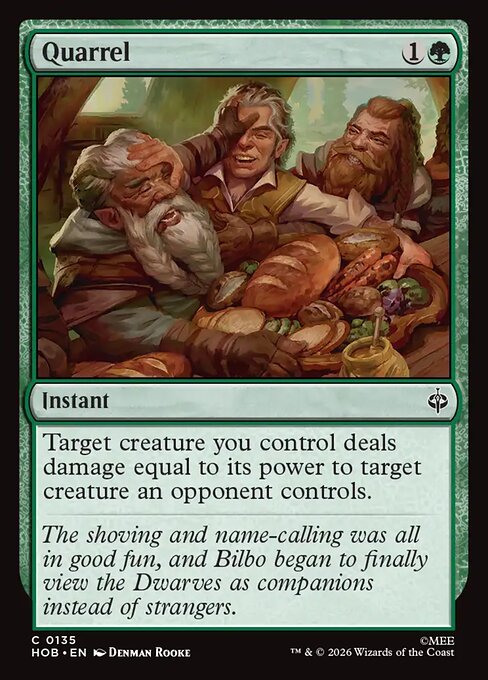
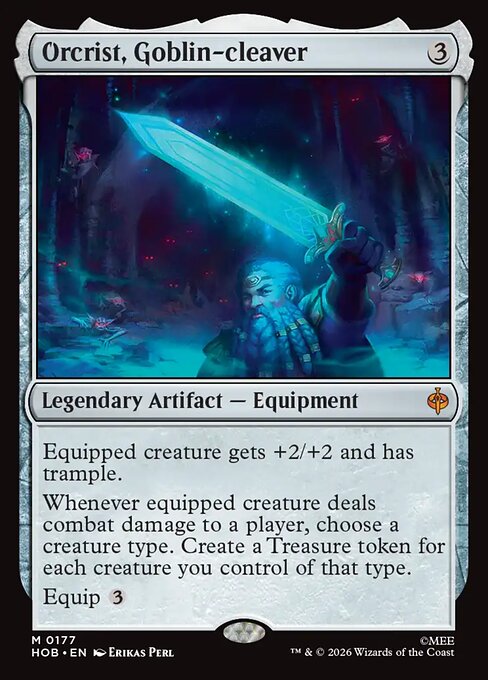
Traps
Words that point to each deck
Each of the five two-color decks the set was designed around has a word to look for. If several cards with that word keep coming to you, that deck is open.
Goblin Army
Deck win rate 57.6% +1.4 vs average 85,459 games
Look for: “Amass”, Goblin, Army
Attack with one that keeps growing, and kill blockers with black and red . Aim for it by default. It has the best win rate in the 17Lands data.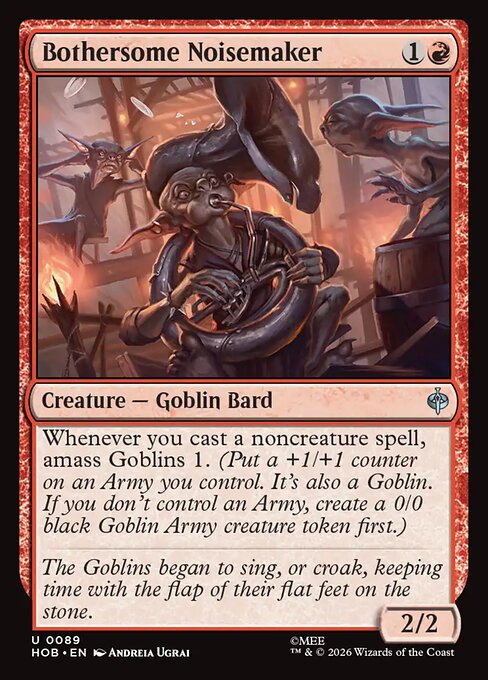
In this deck 61.7% 18k games
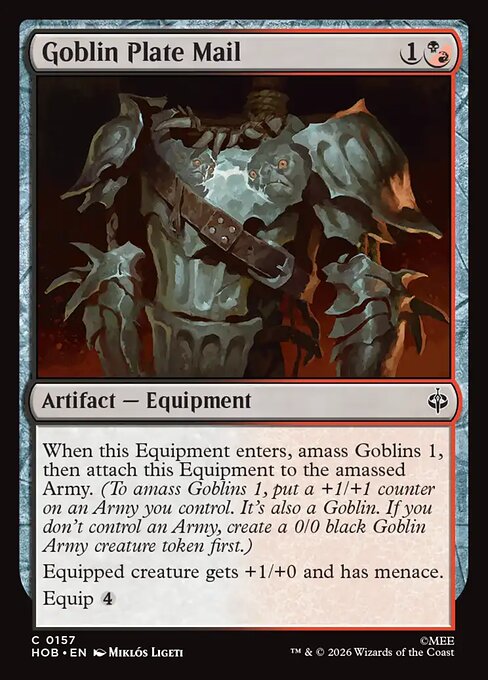
In this deck 58.1% 30k games
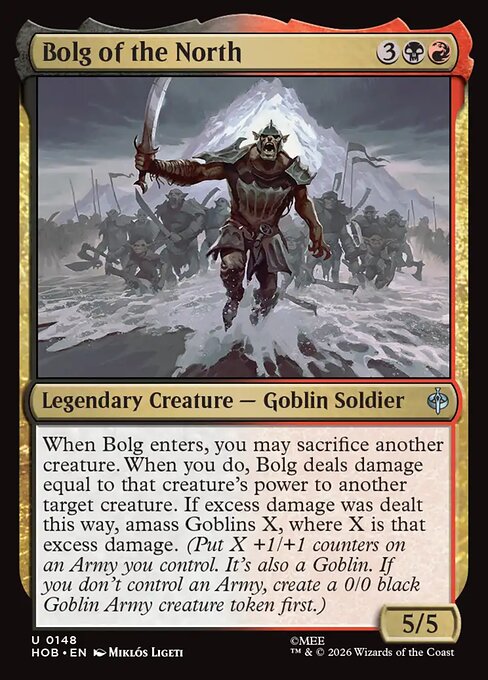
In this deck 55.4% 12k games
Ferocious Wolves
Deck win rate 56.9% +0.7 vs average 57,277 games
Look for: “Ferocious”, power 4 or more, Wolf
Get a creature with power 4 or more down, and your Wolves get their bonuses. Black and big green creatures make it the second-best deck.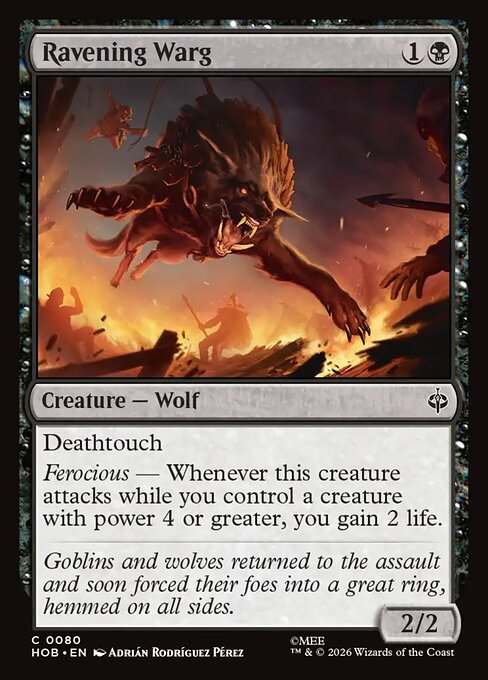
In this deck 58.0% 18k games
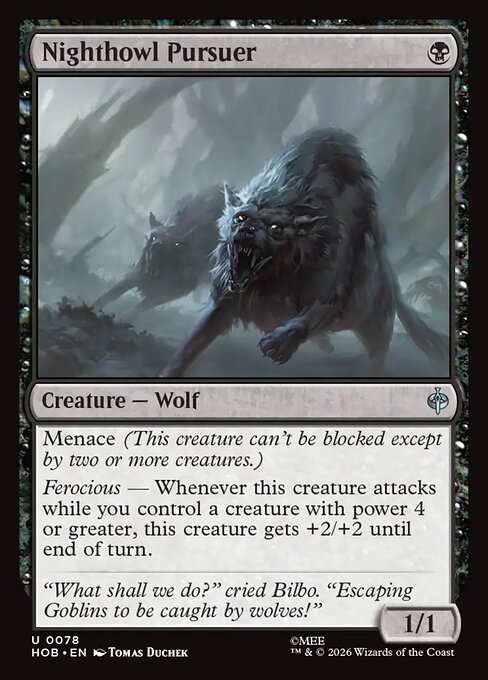
In this deck 59.4% 10k games
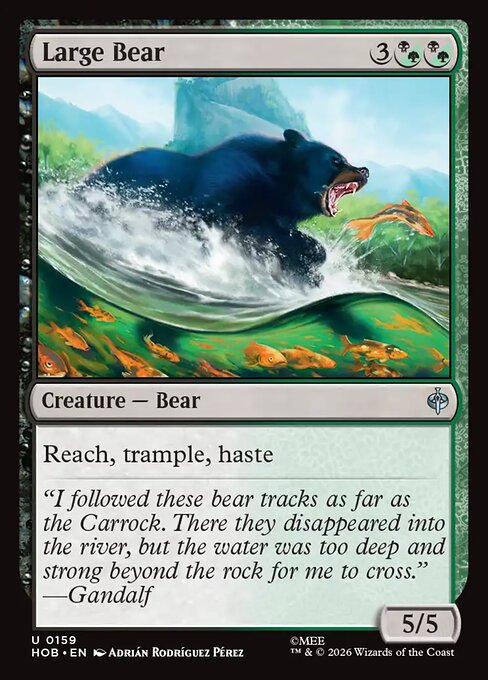
In this deck 57.2% 8.8k games
Dwarves & Equipment
Deck win rate 56.5% +0.3 vs average 52,797 games
Look for: Dwarf, Equipment, “Storied”
Play cheap Dwarves and and attack. Once you have 3 , cards or on the battlefield, you have an "", and your cards get their bonus for the rest of the game.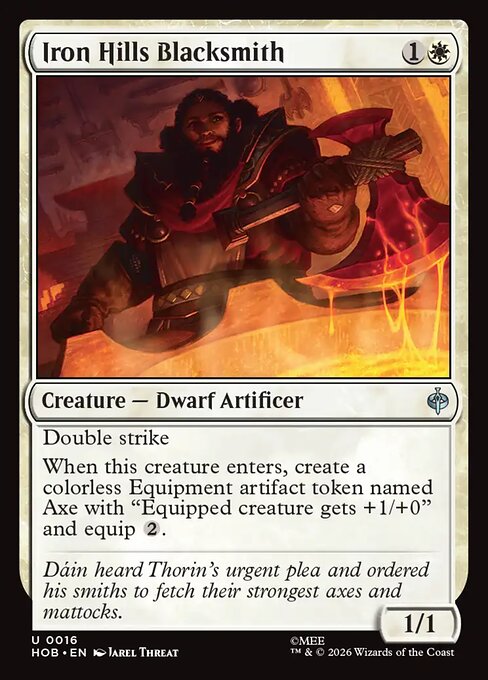
In this deck 58.1% 12k games
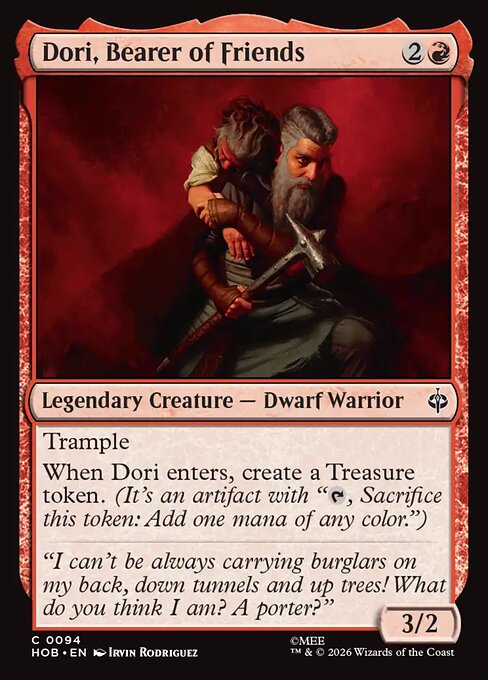
In this deck 57.7% 20k games
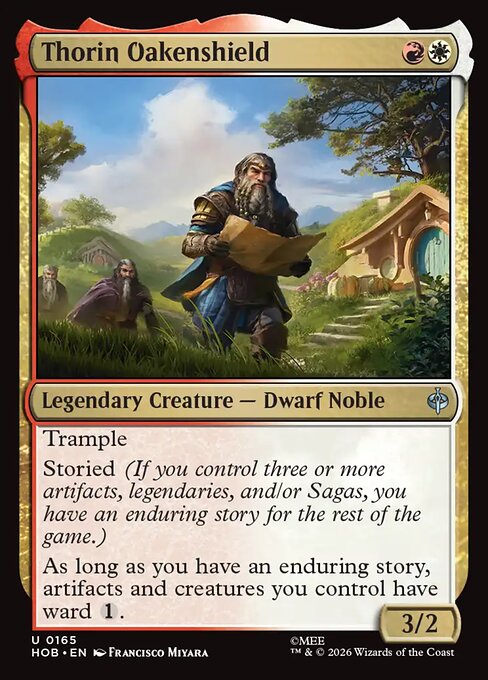
In this deck 57.2% 14k games
Draw Two
Deck win rate 56.4% +0.2 vs average 58,594 games
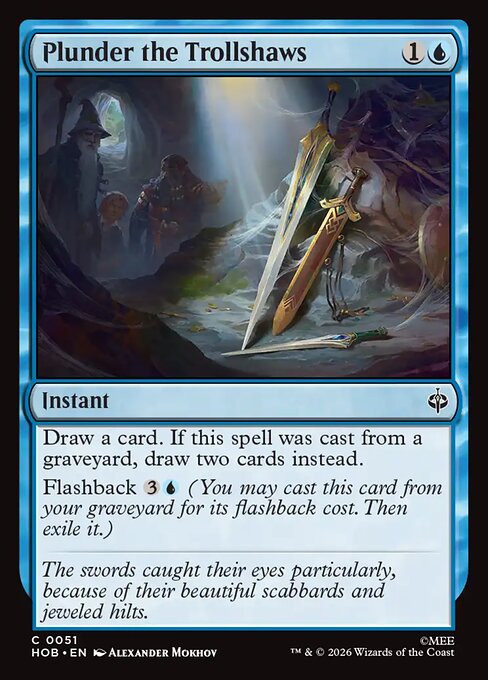
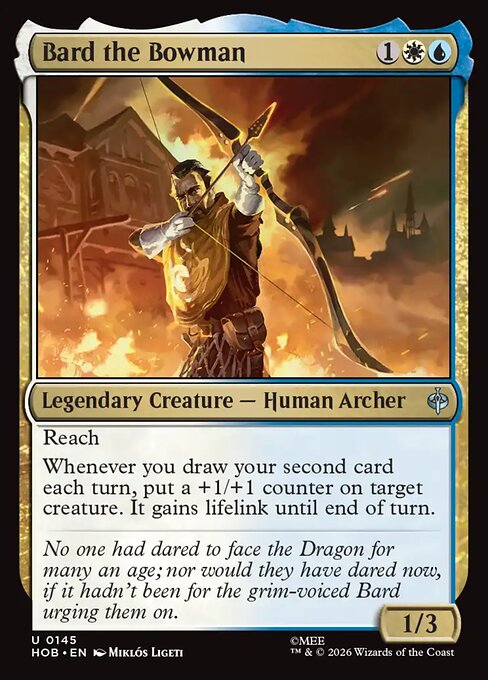
Look for: “Recruit”, “draw your second card each turn”
Draw a second card on your turn to trigger Bard the Bowman and Lakeshore Apothecary. Counting your draws each turn makes it harder to play, so go into it only when white and blue are open.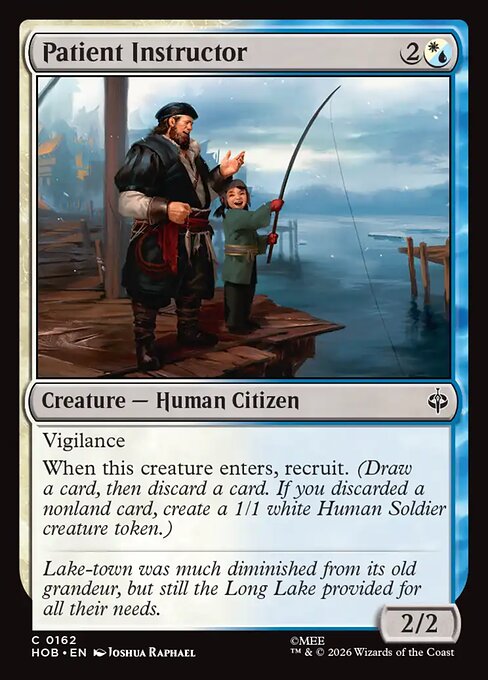
In this deck 59.7% 33k games
In this deck 60.3% 31k games
In this deck 59.5% 21k games
Elf Landfall
Deck win rate 52.5% −3.7 vs average 22,251 games
Look for: “Landfall”, Elf
Put extra lands onto the battlefield to get extra triggers. Of the five designed decks it is the weakest. Take it only when blue and green cards keep coming late.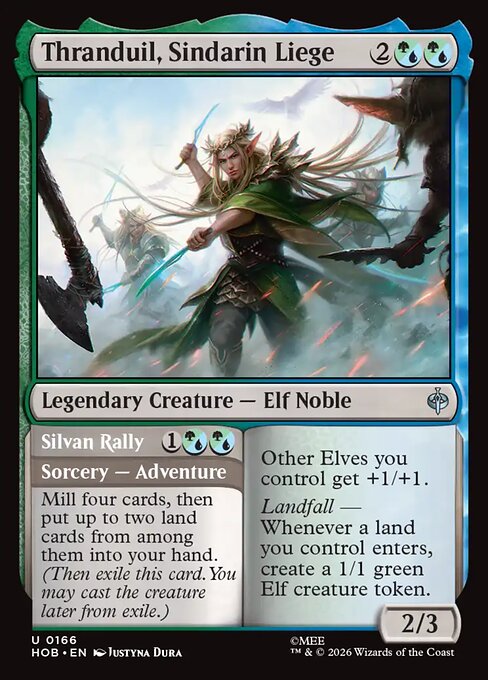
In this deck 58.7% 6.3k games
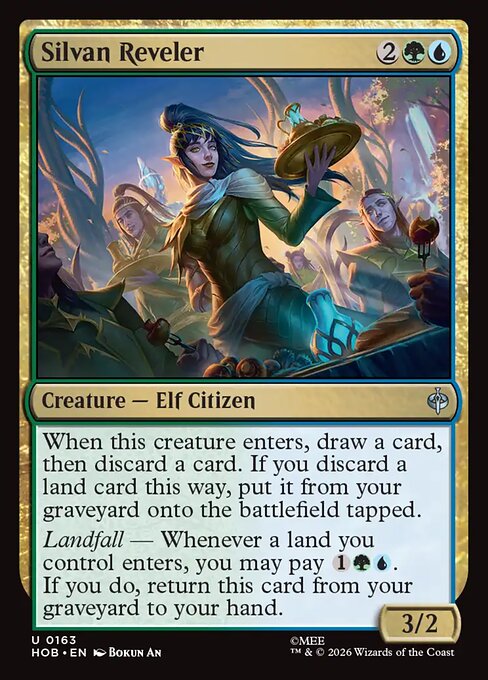
In this deck 53.8% 6.8k games
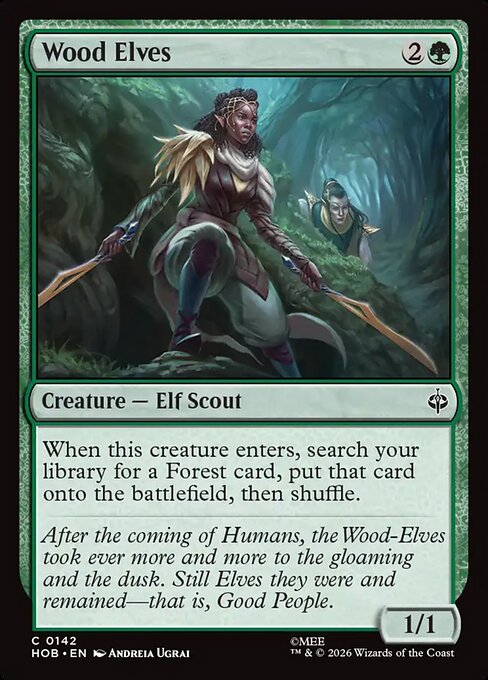
In this deck 54.3% 7.3k games
6 habits during the game
- Keep hands with 2–5 lands. Otherwise : shuffle, draw 7, and put 1 card on the bottom for each mulligan.
- Play a land every turn, and use your mana every turn. Cheapest creatures first.
- Save for creatures that matter, such as , big creatures and ones with ongoing abilities, rather than a random 2/2.
- Attack when they can't block well. Before attacking, check whether any block they could make would cost you a creature for nothing.
- Count their untapped lands. A player who keeps mana open on your turn may have an (a trick or removal).
- Read the opponent's cards, and ask what they do. Everyone at the table is learning, so asking is normal.